Passage from Jamaica to the Bahamas
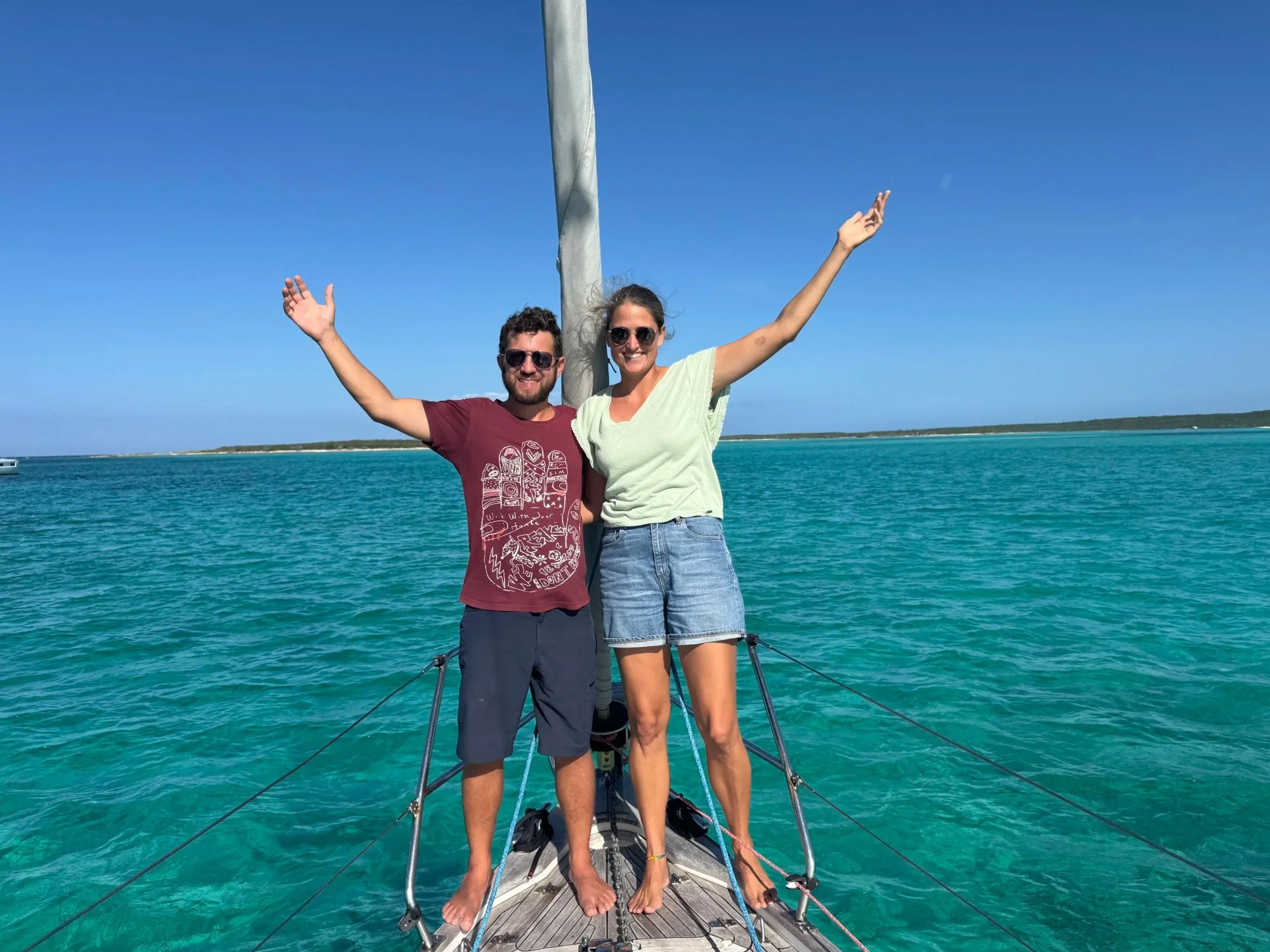
Second leg done! Welcome to the Bahamas!
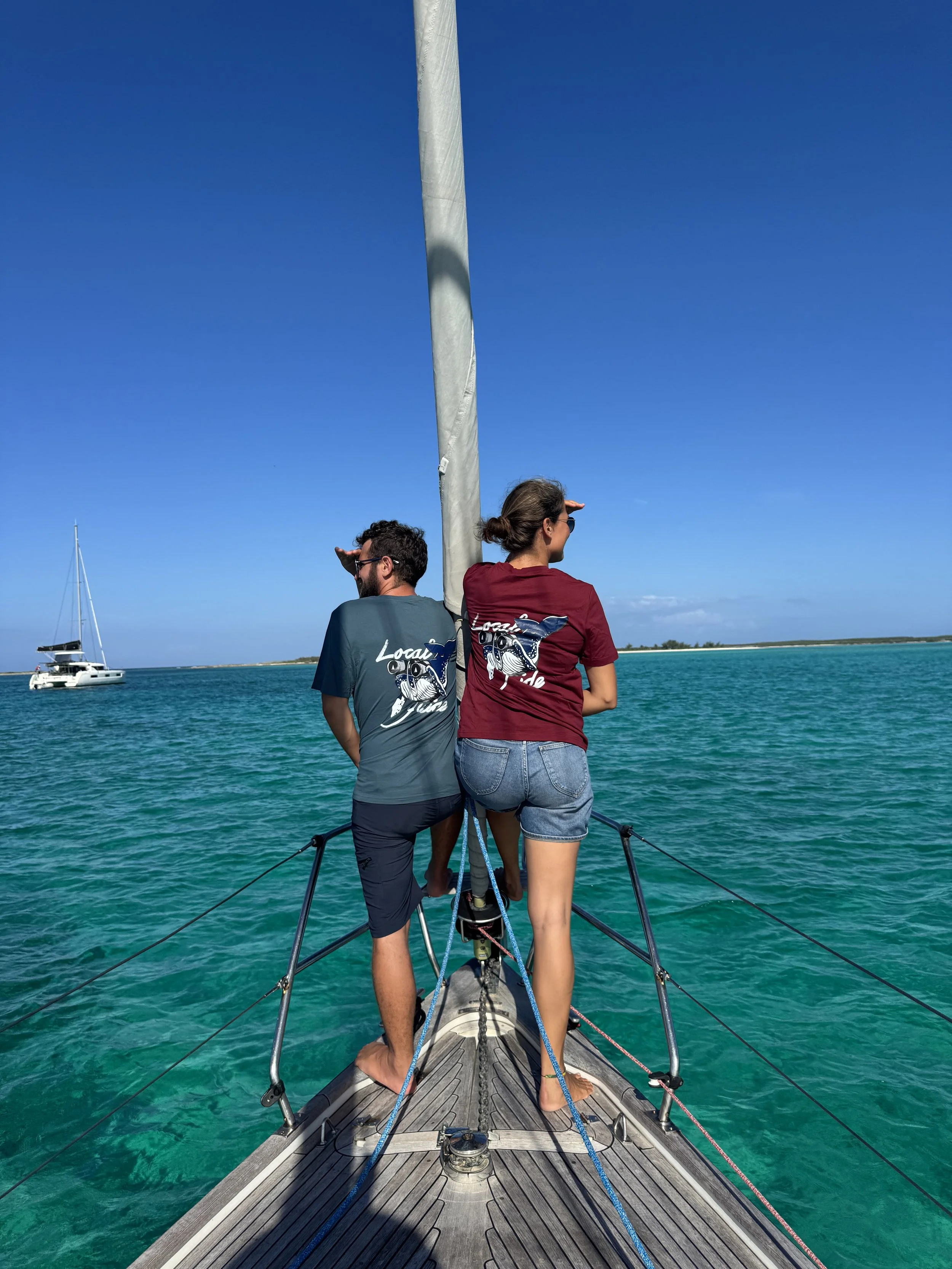
The second leg of our journey back to Europe takes us from Jamaica to the Bahamas. We are heading for the next Bahamian island, Inagua, which lies north of the strait between Cuba and Haiti. The planned route is around 250 nautical miles, and we expect the crossing to take 2–3 days. However, as the easterly wind and strong current are forcing us to sail very far west in the strait and we have to battle our way round the eastern tip of Cuba, we decide to head for Long Island, further to the north-east, instead of Inagua. This adds 150 nautical miles to the journey, but we have the wind and current in our favour. The crossing is definitely more gruelling than the one from Panama to Jamaica (we’re also facing stronger winds), but we’re rewarded with turquoise waters and white sandy beaches!
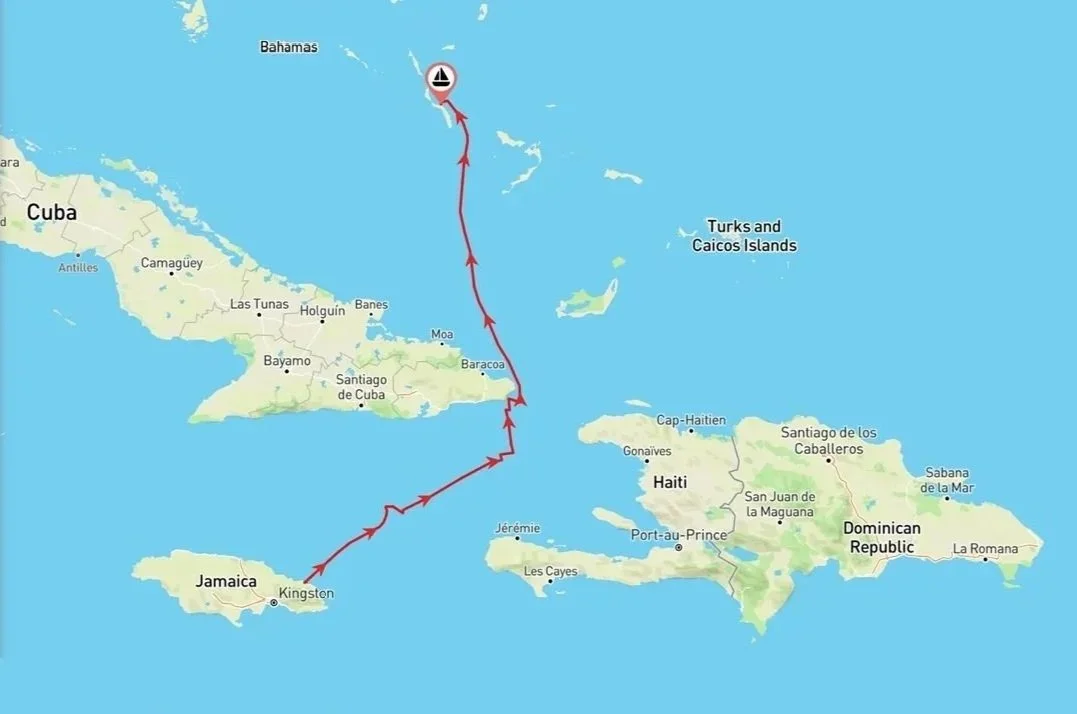
Our crossing from Jamaica to the Bahamas in figures:
Distance: 416 nm, of which under sail: 285 nm
Engine hours: 31 hours 20 minutes
Time: 3 days 18 hours 52 minutes
Average speed: 4.6 knots
Jamaika - Bahamas Day1
Wed Mai 06 2026 18:26:00 GMT-0500 (Eastern Standard Time)
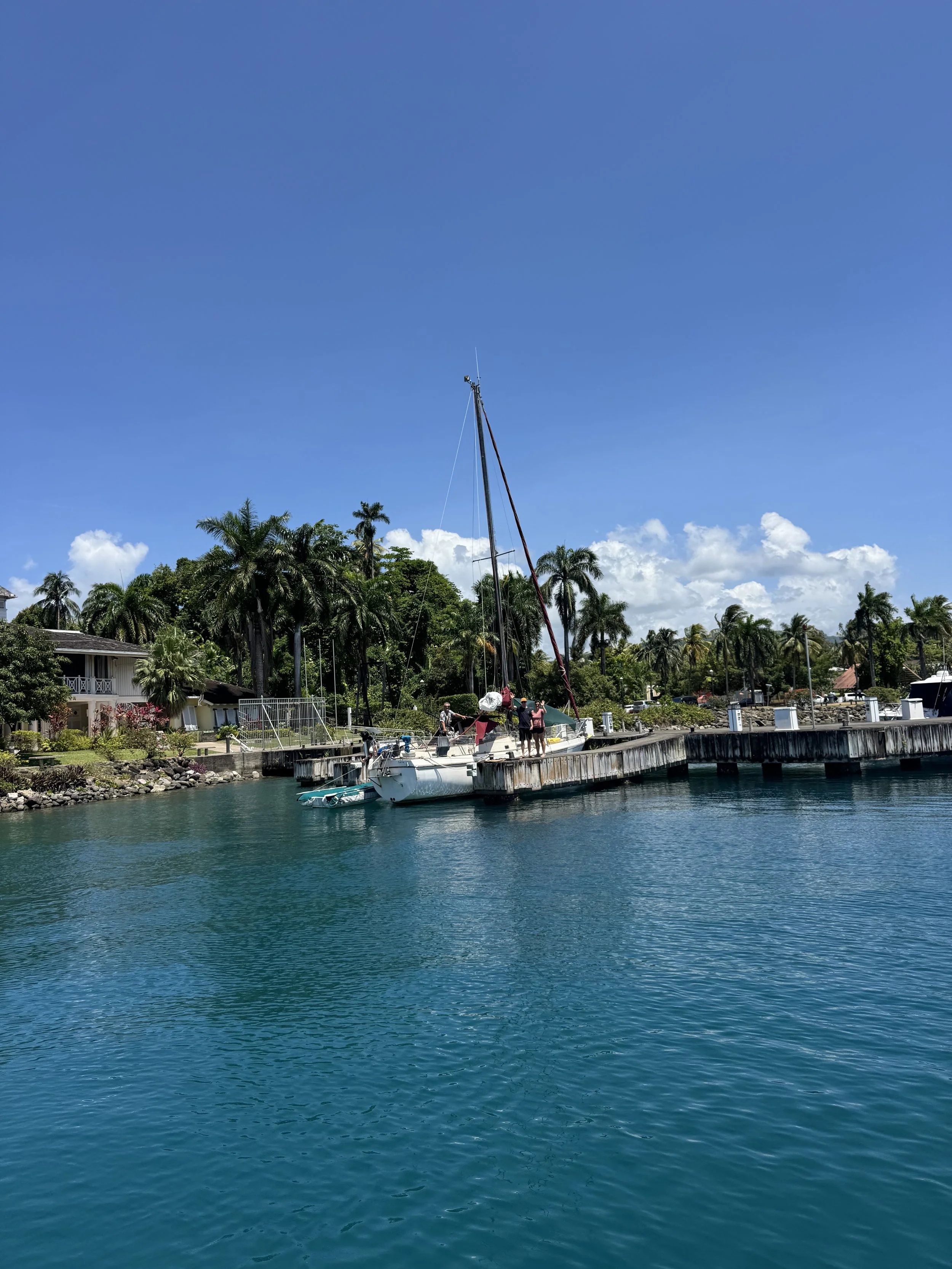
At 1.16 pm, we set sail from Port Antonio with a heavy heart. It’s not just saying goodbye to Jamaica that’s hard for us, but also to our new friends Iris and Jeff from the SY Alea. Over the last few days, we’ve been on a road trip through Jamaica together and had a great time (a separate blog post on this will follow). We would have loved to continue sailing with them, but we’re now heading for the Bahamas and they’re setting off for Guatemala tomorrow.
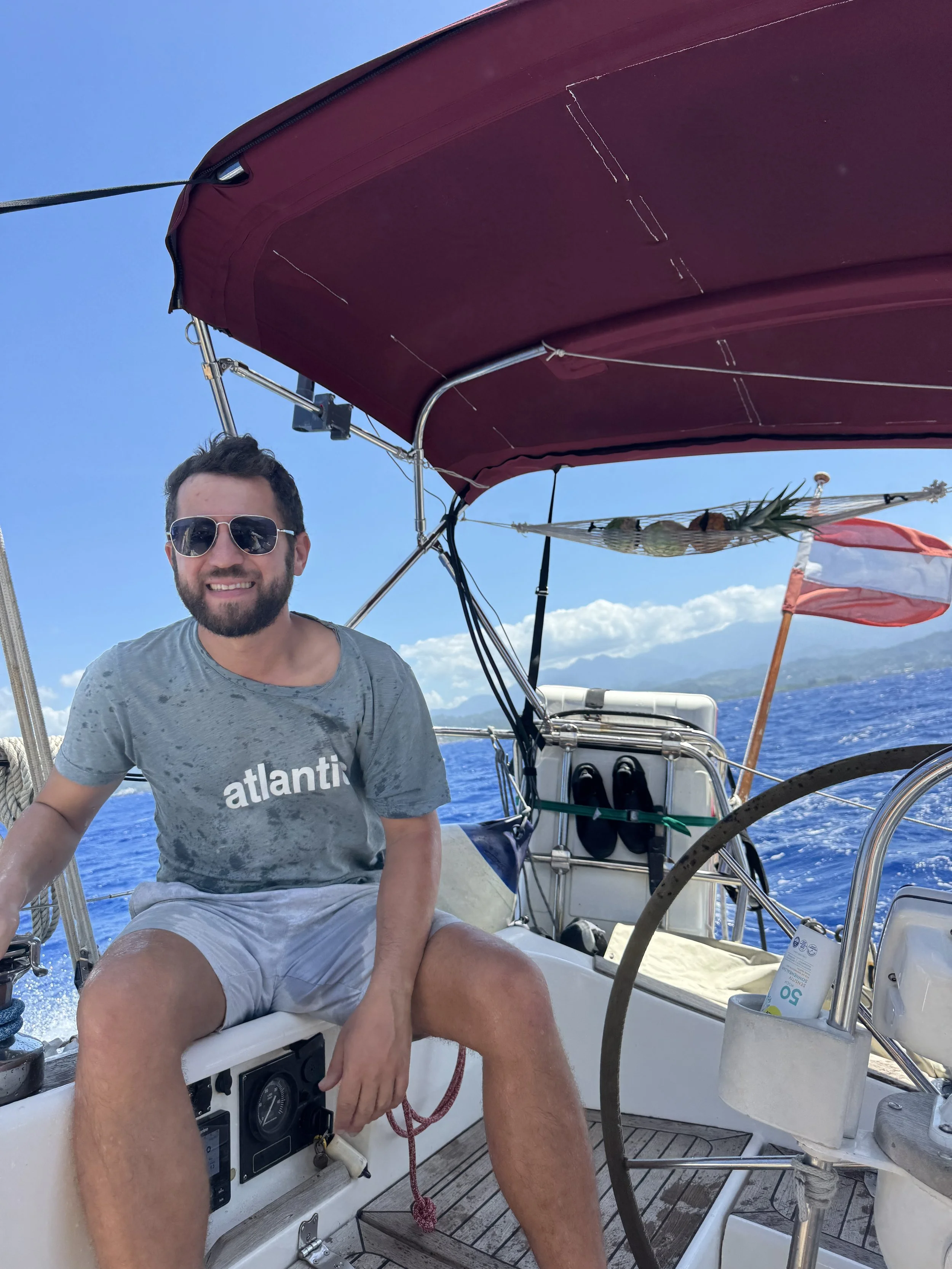
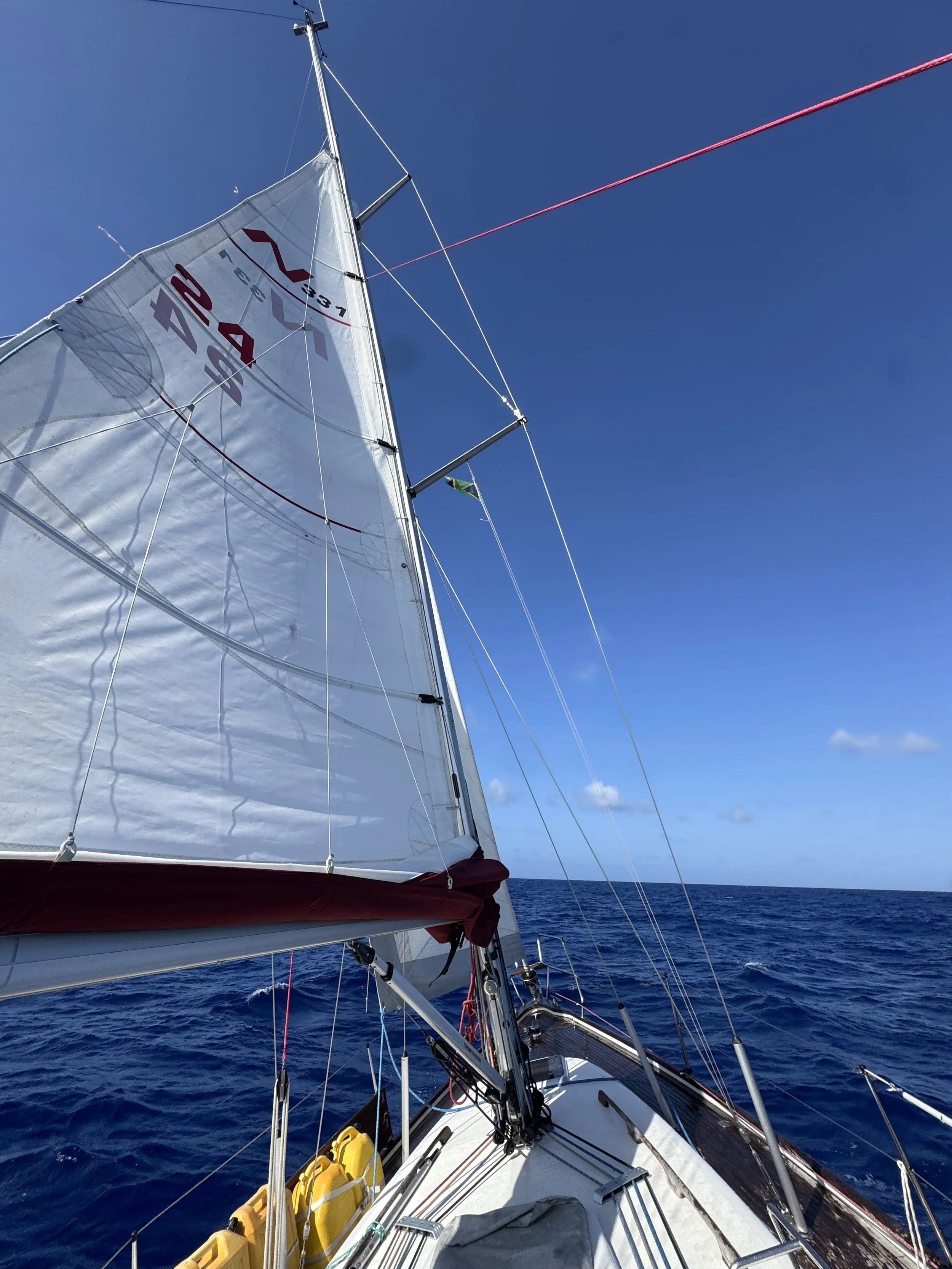
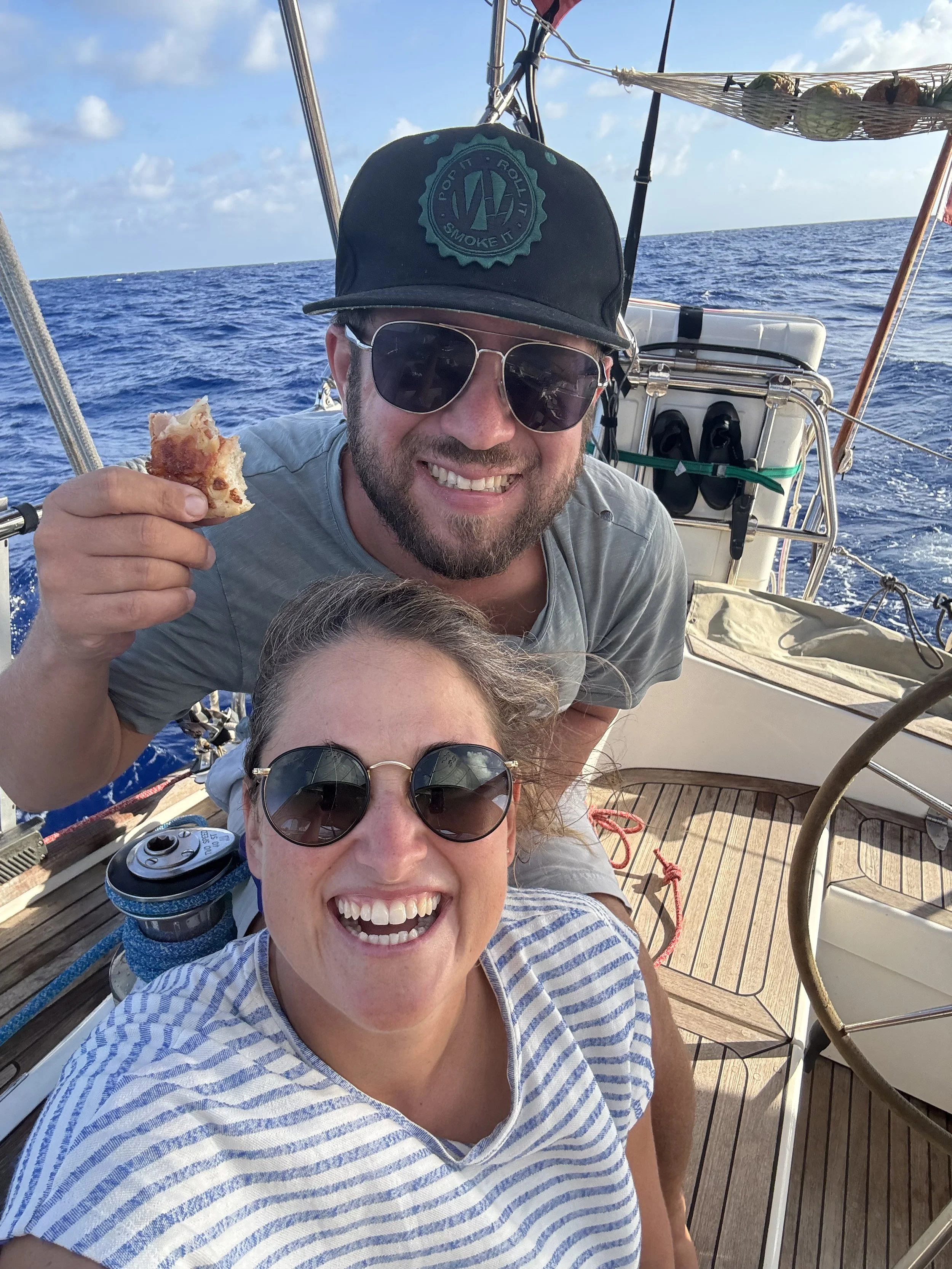
No sooner have we turned out of the marina and into the channel than the wind hits us at over 20 knots. As calm as it was when we arrived in Jamaica, the departure is all the more challenging. We put the second reef in the mainsail and jib and race off at nearly 7 knots towards the north-east. We’re glad to have a good portion of yesterday’s pizza left over and eat it cold straight away – in these conditions, neither of us feels like standing at the stove. After 2–3 hours, we’ve got used to sailing again, and the wind has also died down, settling at around 13 knots. This should last until about midnight before it gradually drops off. From tomorrow morning, we’ll probably have to motor again.
Distance to the Bahamas: 254 nm
Meal: cold pizza from the day before
Jamaika - Bahamas Day 2
Thu May 07 2026 18:20:00 GMT-0500 (Eastern Standard Time)
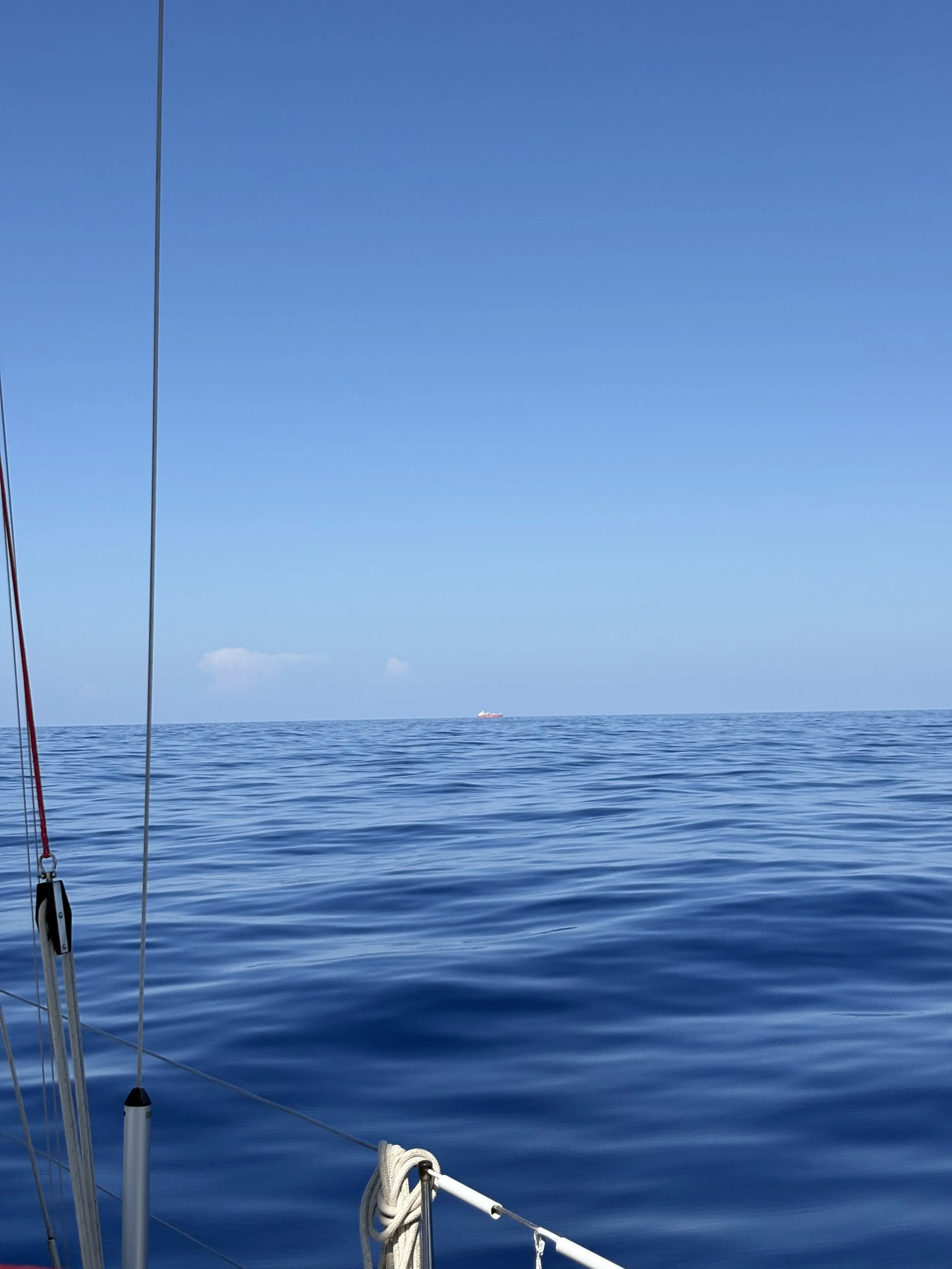
After a fairly active stretch until 11 pm with good wind and good progress, the wind dies down gradually, just as forecast. From 5 am onwards, we’re mainly motoring. At first we manage a bit of motor-sailing, but from midday onwards it’s just motoring. We realise once again that, no matter how many crossings you’ve done, the first day is often still tough. Although the weather is very calm, Ines isn’t really recovering and is sleeping a lot. I pass the time by staring into space and reflecting on our impressions of Jamaica.
So far, everything is going according to plan. As you rarely get wind from the right direction here, we’ve taken the window with no wind. From tomorrow morning, we should emerge between Haiti and Cuba to the north and have trade winds again for the final stretch.
Daily average: 99 (23 hours)
Distance to the Bahamas: 155 nm (Inagua)
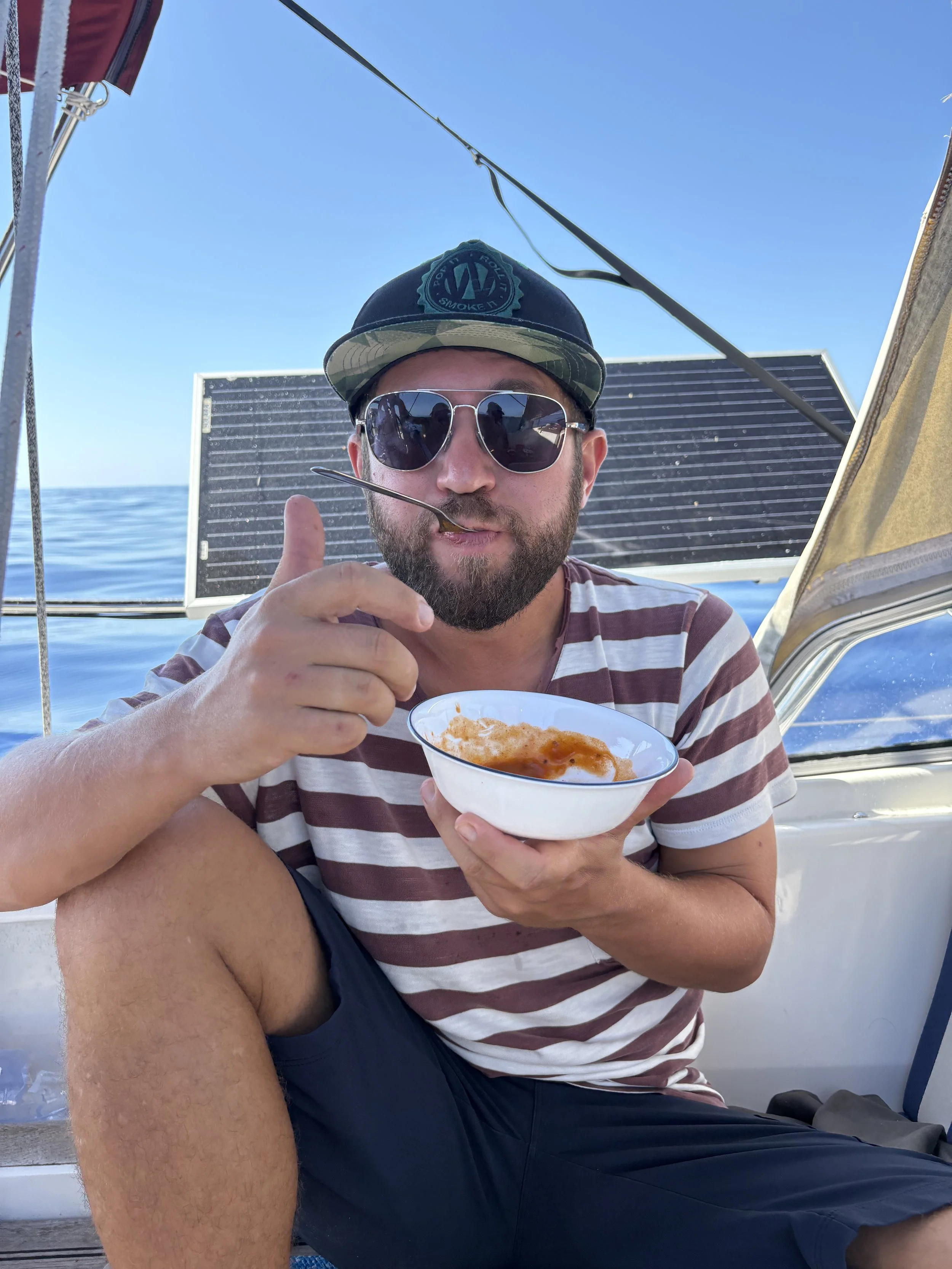
Food: Inzersdorfer potato goulash, ramen
Jamaika - Bahamas Day 3
Fri May 08 2026 19:02:00 GMT-0400 (Eastern Daylight Time)
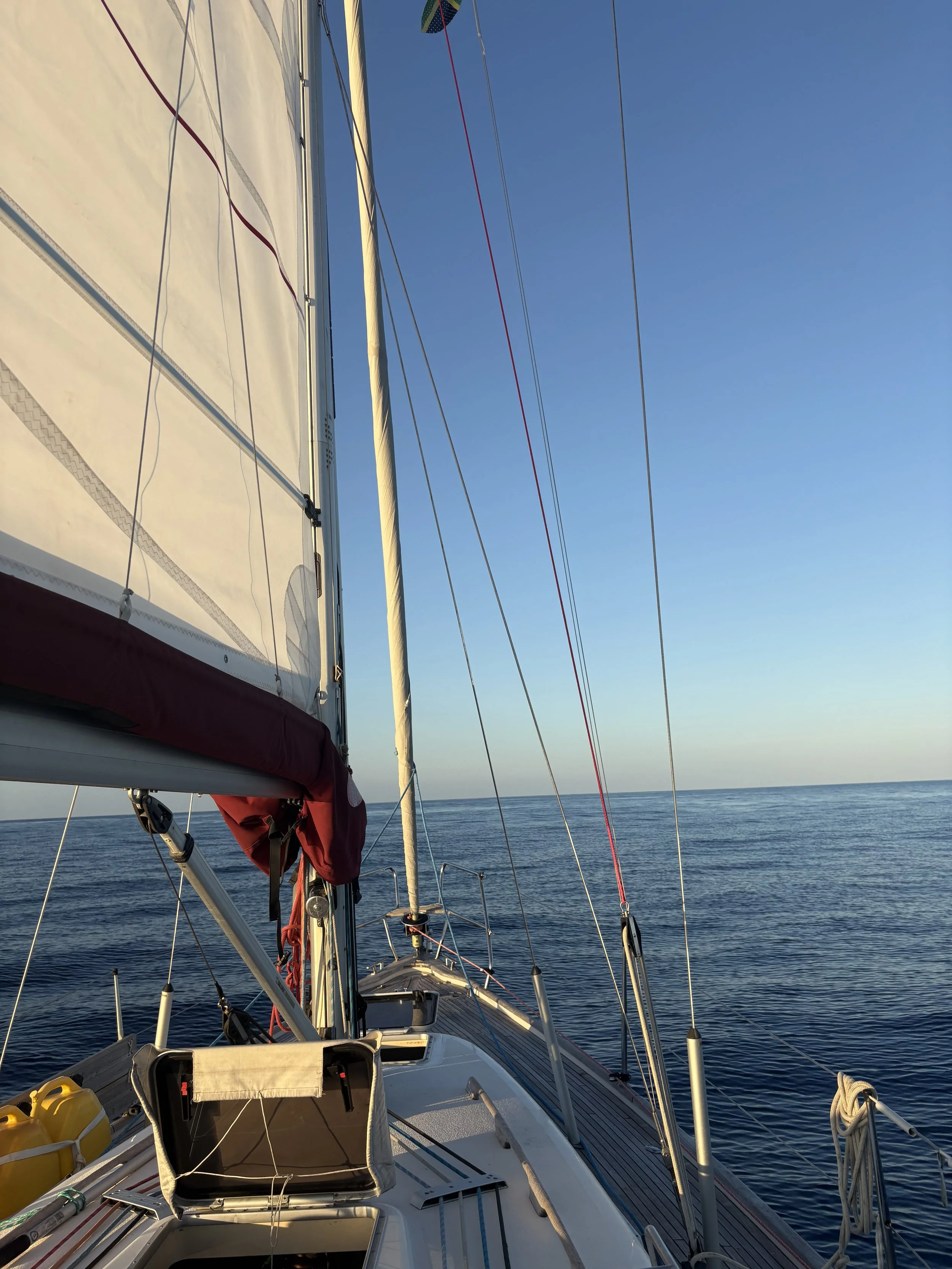
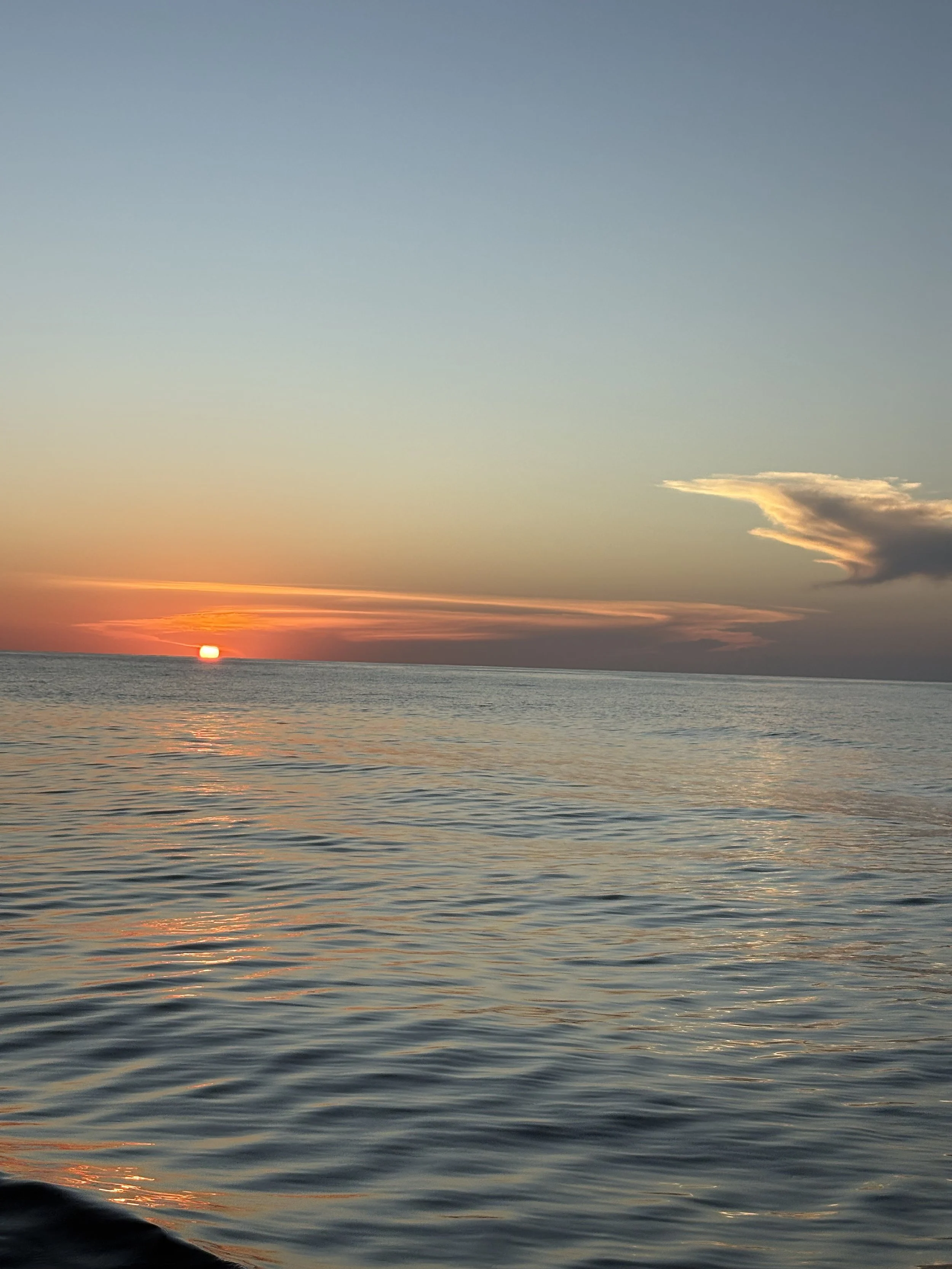
The night begins under a starry sky. Both the Little Dipper and the Southern Cross are still visible. We also see a few shooting stars. The only things dampening the mood are the sound of the engine and the current, which feels as though it’s preventing us from making any headway at all. At sunset, we hoist the headsail as well, so that the combination of engine and sails will allow us to make faster progress and also sail closer to the wind. But it remains a struggle. Then land appears in the distance, but it is not yet the Bahamas but Cuba, and so the battle for the cape begins. We have to round the eastern cape, but the current is pushing us westwards at 1.5–2 knots and the north-easterly wind makes it even harder to head in the right direction. The island of Inagua, our destination in the Bahamas, lies even further east than the Cape of Cuba, and we’re wondering how and when we’ll get there if we’re already moving eastwards so slowly. That’s why we’re looking at other options again. We could also clear customs on Long Island. The island lies north-west of the eastern tip of Cuba and should therefore be easier for us to reach, as we won’t have to battle against the wind and current. The route is a bit longer, but we should arrive on Sunday afternoon our time.
Speaking of time, today we’re setting our watches forward by an hour, as both Cuba and the Bahamas are in a different time zone. This means we’re now six hours behind Austria.
Fortunately, I (Ines) am feeling better again today, and sailing is fun once more this afternoon! We can finally switch off the engine and are making good speed.
Daily average: 99 nm
Distance to the Bahamas: 77 nm (Inagua), 195 nm (Long Island)
Meal: Ham and cheese toast with onion and avocado, Asian egg noodles with cabbage, fried egg and sesame seeds
Cabbage head count (since Panama): 7/9.5
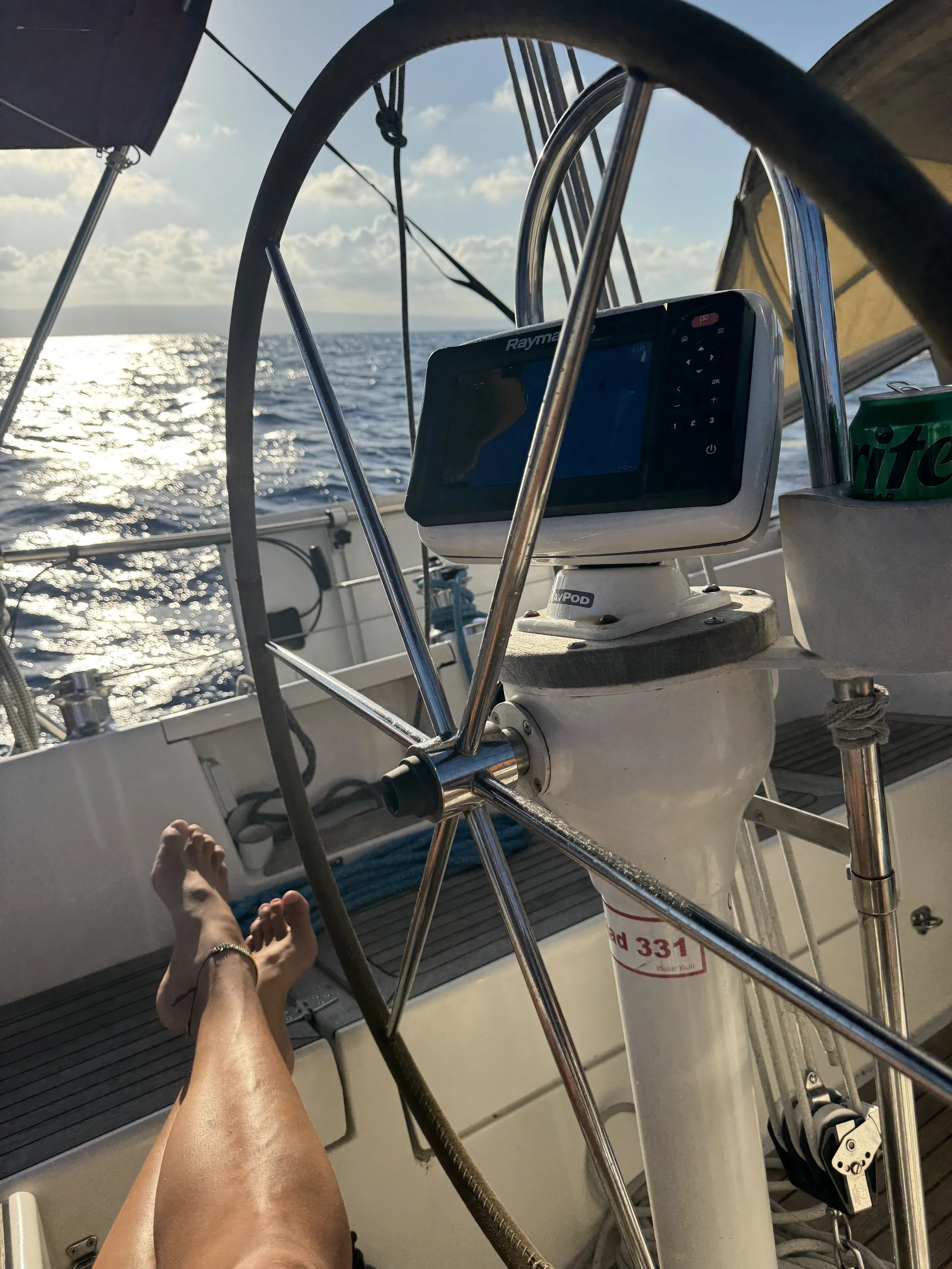
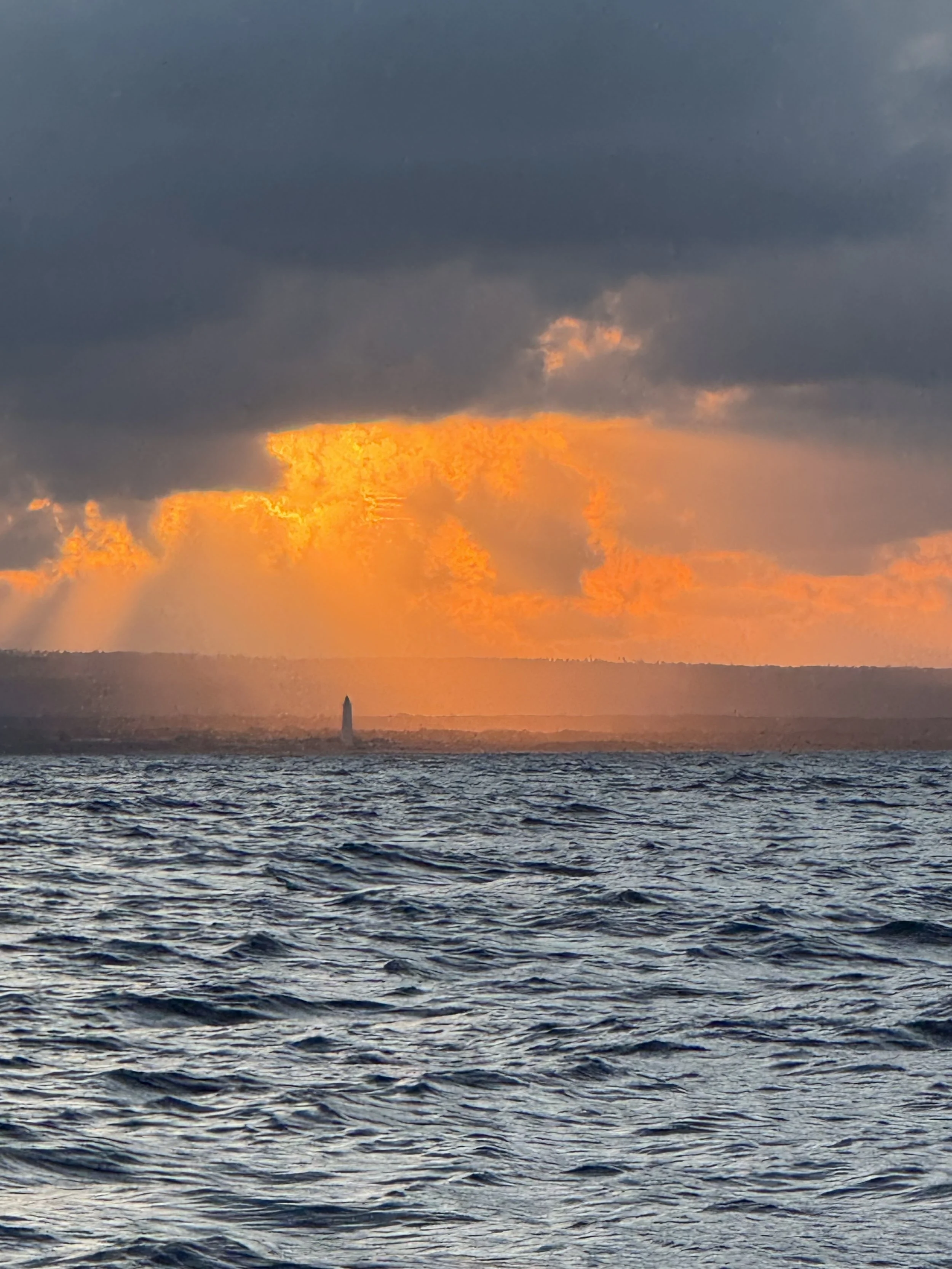
Jamaika - Bahamas Day 4
Sat May 09 2026 18:52:00 GMT-0400 (Eastern Daylight Time)
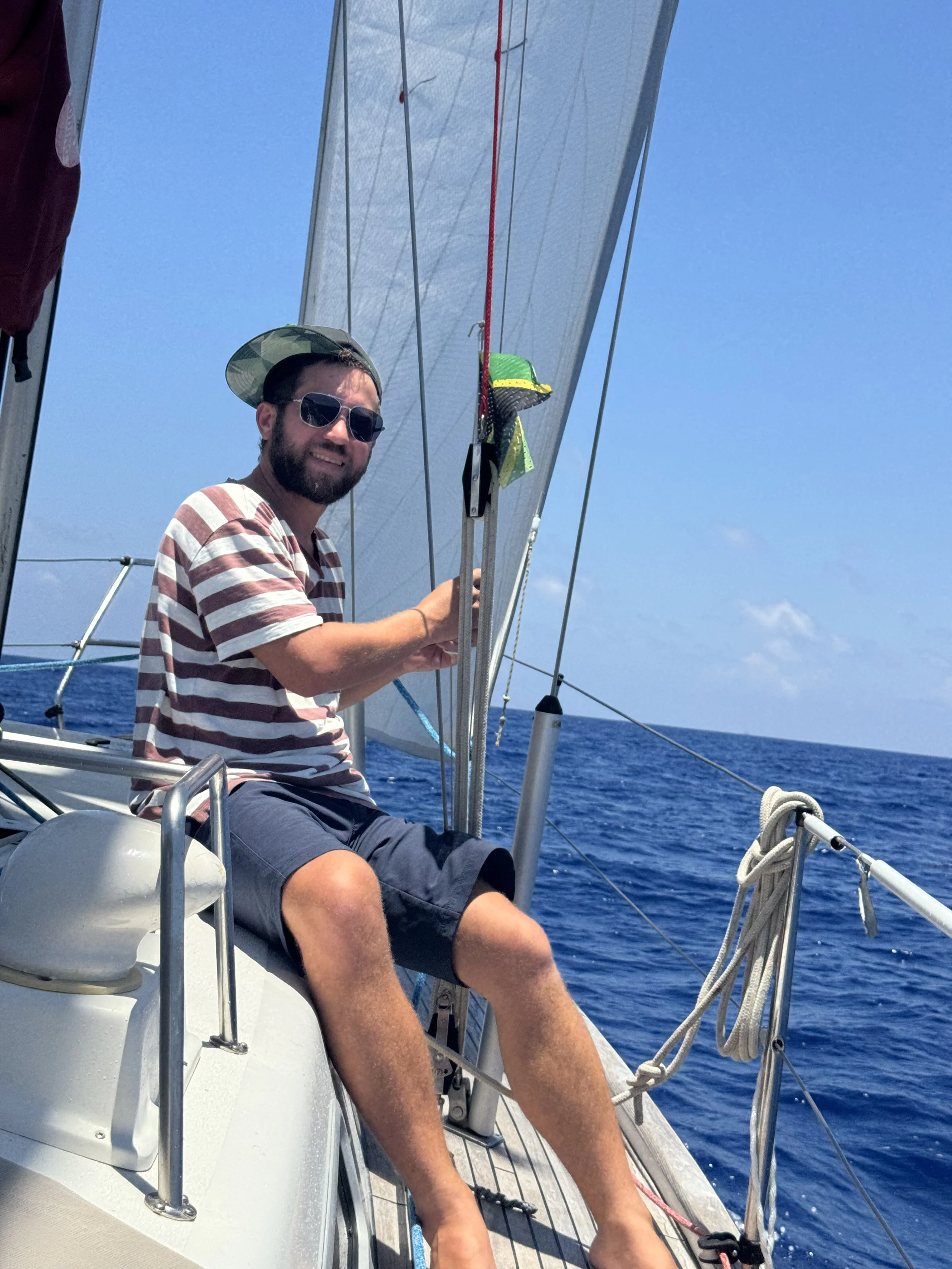
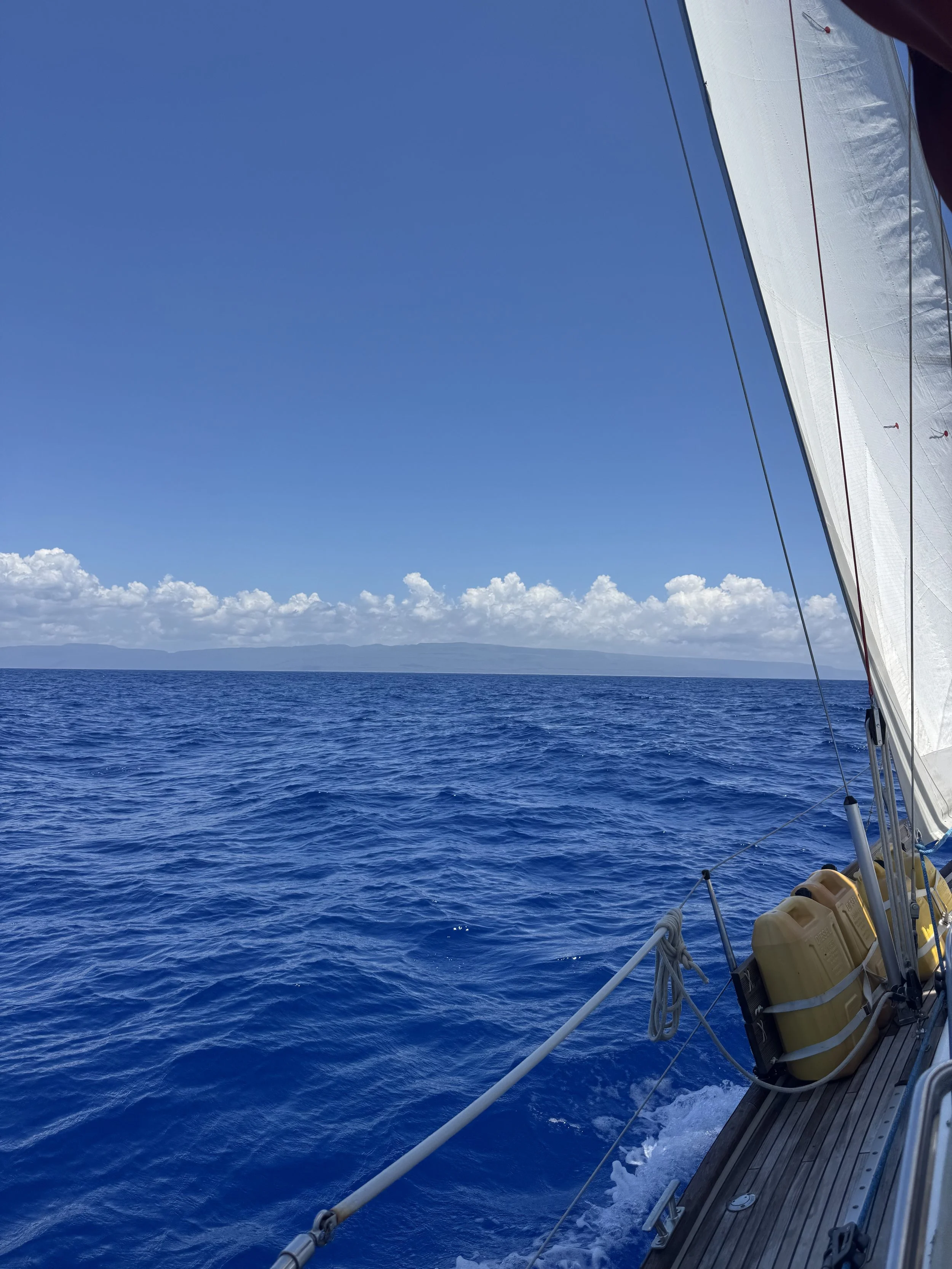
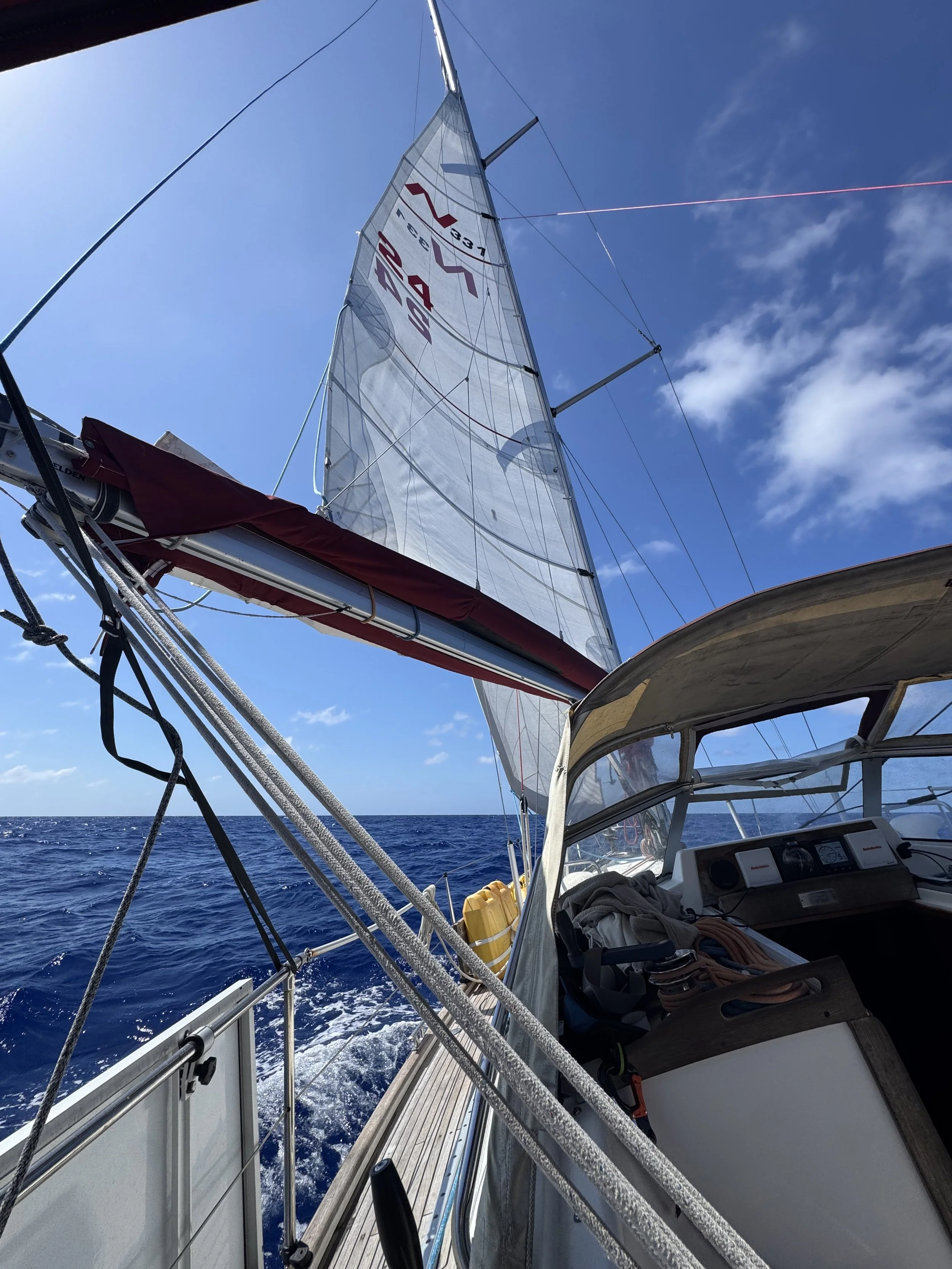
Having finally rounded the cape shortly after sunset, we can bear away slightly, meaning the wind is now coming more from the side than from the front. Although this means the waves are rocking us a bit more, we’re making good headway in 12–15-knot winds. The uneventful night turns into day. The wind picks up to 18 knots and we’re fast – too fast. At this pace, we’ll arrive in Long Island at around 3 in the morning. It seems we’ve also got a bit of a current with us in the meantime. The anchorage off Clarence Town is very shallow and there are also coral heads. We only want to anchor here in daylight. So in the afternoon we roll the headsail away completely and sail only with the mainsail on the second reef. This way, instead of 6 knots, we’re still making 4.5 knots, and our arrival time is now around 8 or 9 in the morning – perfect! We’re sailing along comfortably and are already looking forward to exploring a new country tomorrow morning.
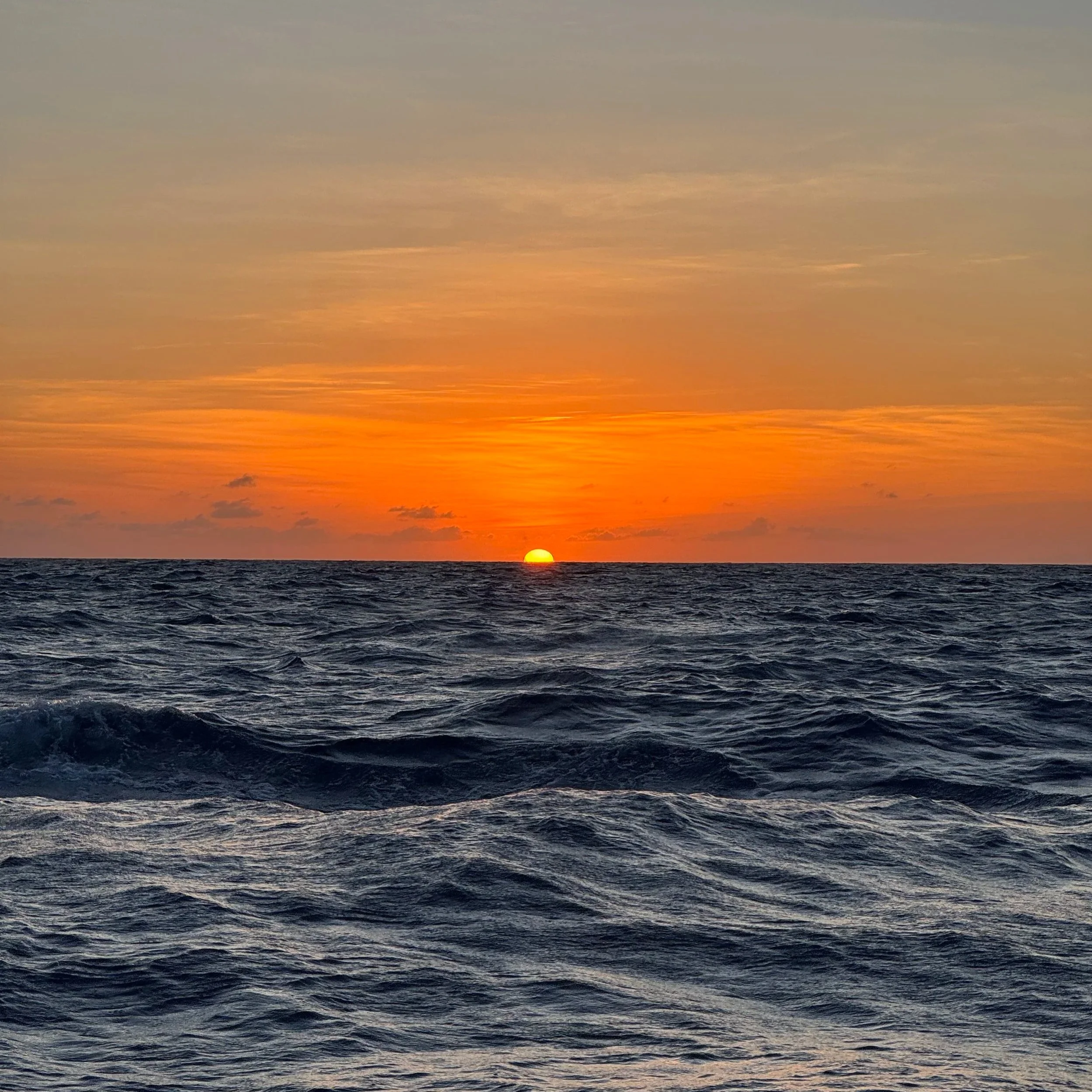
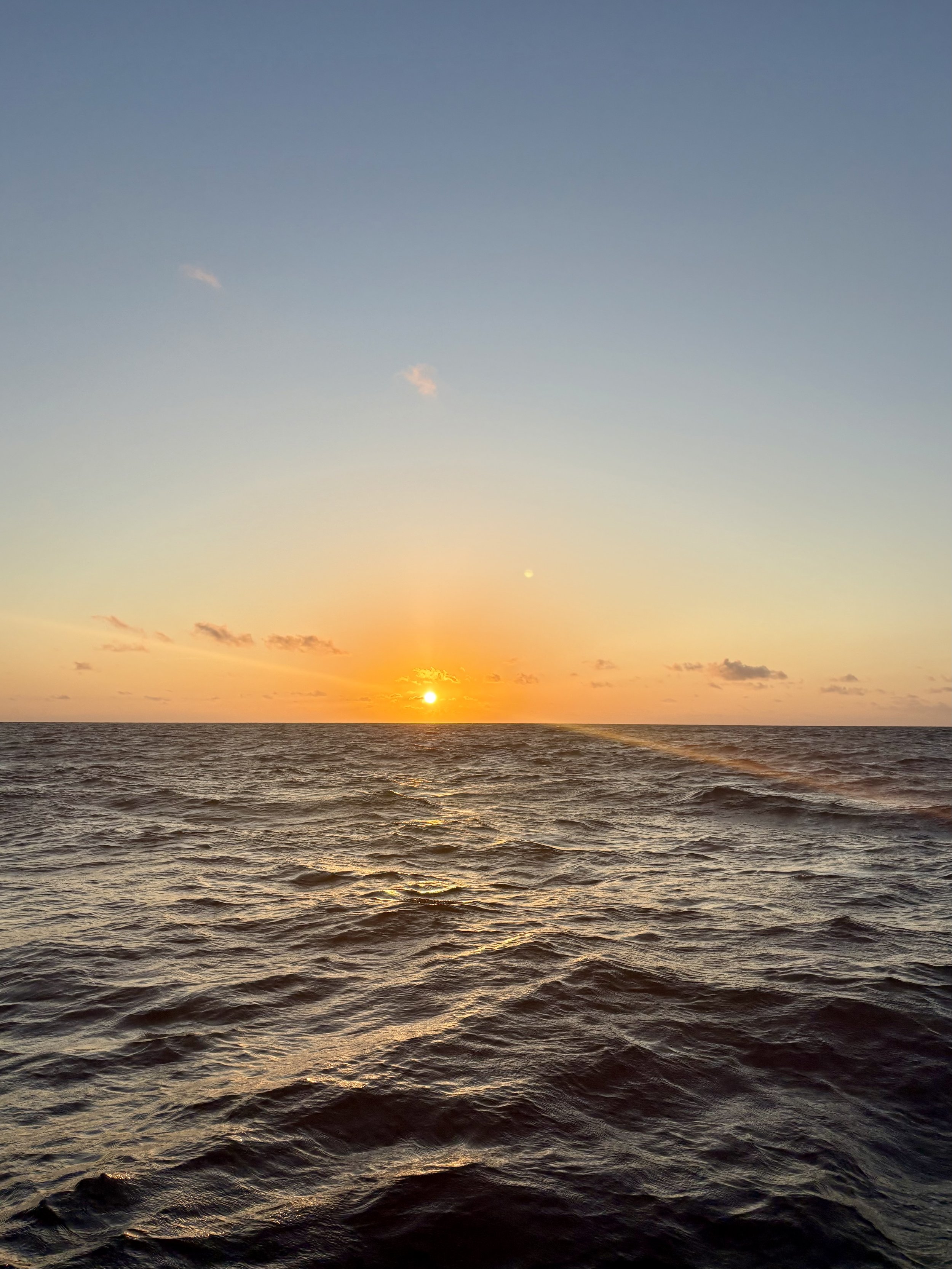
The final sunset of this crossing is something special. With hardly a cloud on the horizon today, the sun sets directly into the sea. That would be beautiful enough in itself, but it gets even more spectacular. In the seconds before it disappears completely, the remaining arc of the sun turns a bright green. This phenomenon is known as the ‘green flash’ and, due to the limited visibility caused by air pollution, can only be seen in places such as the sea, the desert or the mountains. It can be explained by the increased refraction of light at the horizon, which causes the sun’s light to split into its spectral colours. The colour green is the last to remain and can be seen for a few seconds.
Daily average: 123 nm
Distance to the Bahamas: 90 nm (Long Island)
Meal: Quesadillas, watermelon, pasta with pesto rosso
Cabbage-head counter (since Panama): 7/9.5
Jamaika - Bahamas Day 5
Sun May 10 2026 10:00:00 GMT-0400 (Eastern Daylight Time)
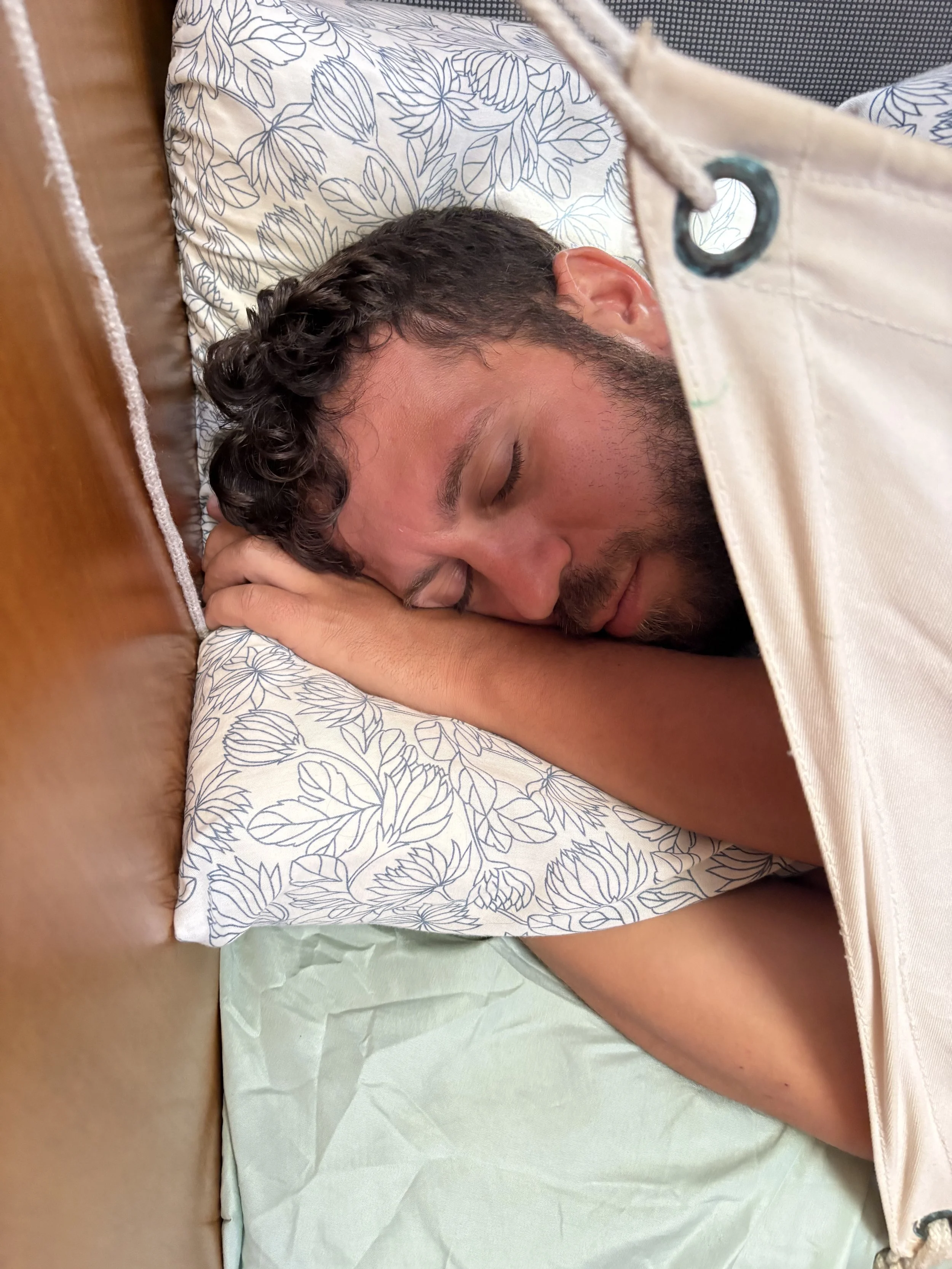
During the night, the wind picks up again with gusts of up to 20 knots. That’s no problem for us, as we’re sailing with the mainsail with the second reef in anyway. The swell is also building a bit, which makes for a rather restless night. On top of that, waves keep splashing up the hull and straight into the cockpit. At least we are sheltered from that under the sprayhood. Once again, the impatience to arrive becomes particularly strong just before the finish.
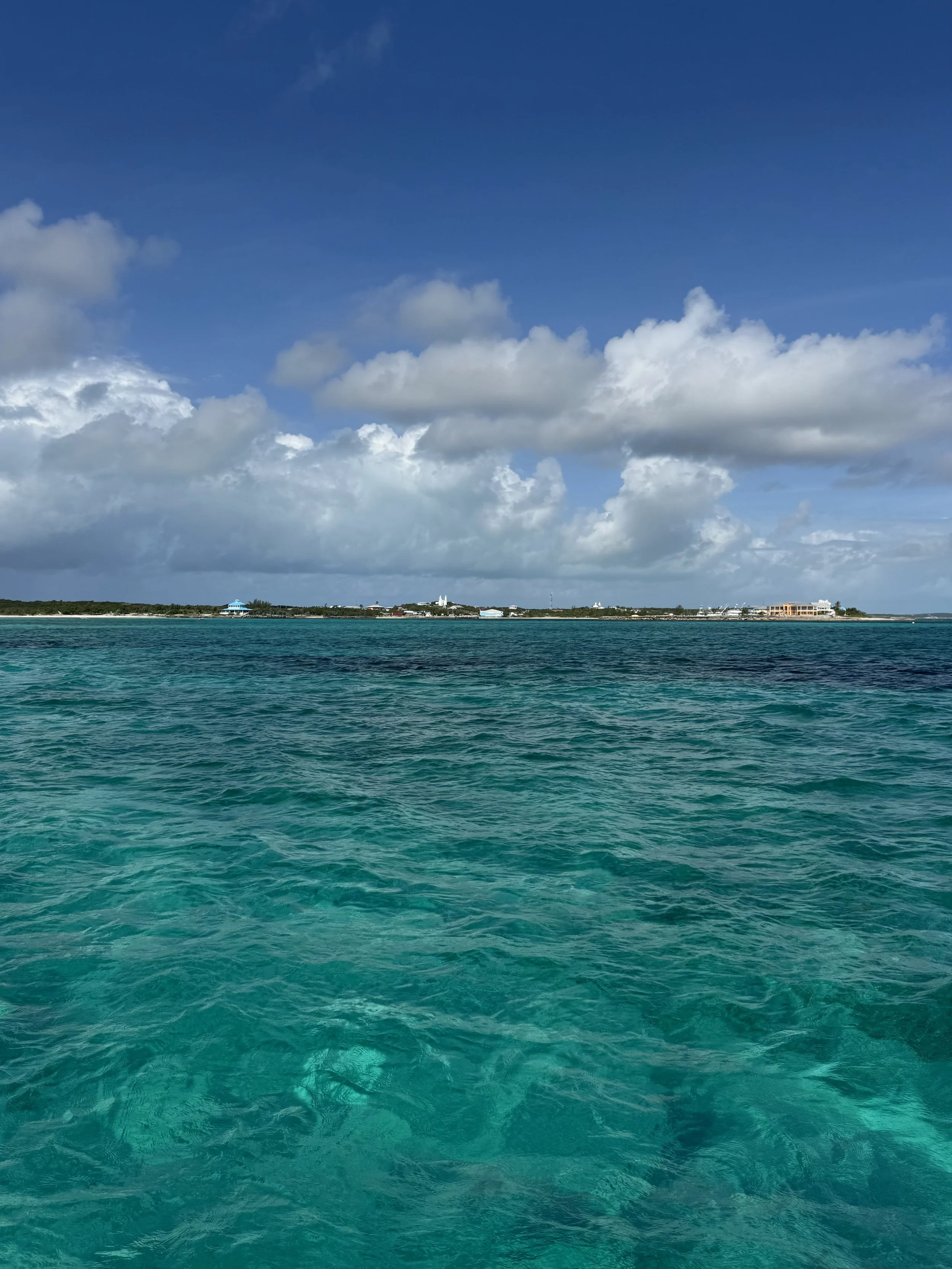
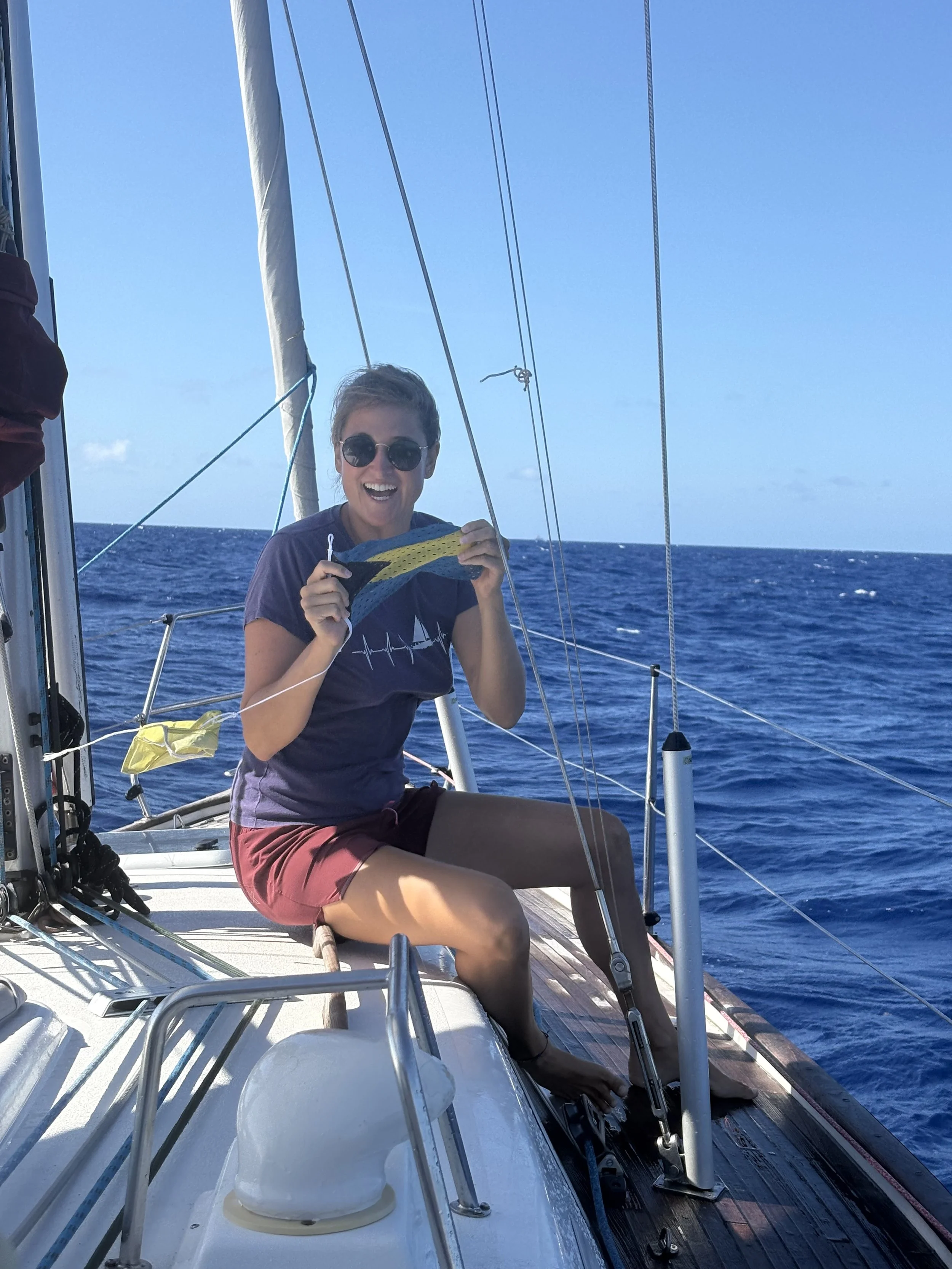
Shortly before we arrive, dark clouds hang over Long Island, but by the time we turn into the bay, they’ve all cleared away again. Luckily, we have good visibility, as the bay is shallow in places, criss-crossed by reefs and coral heads. We make our way forward carefully and slowly to find a sandy spot that is still deep enough for us. The water is a gorgeous turquoise and crystal clear. We drop the anchor in the middle of the white sand and it holds immediately. We’re super happy to have made it through the passage and finally arrived on this paradise island!
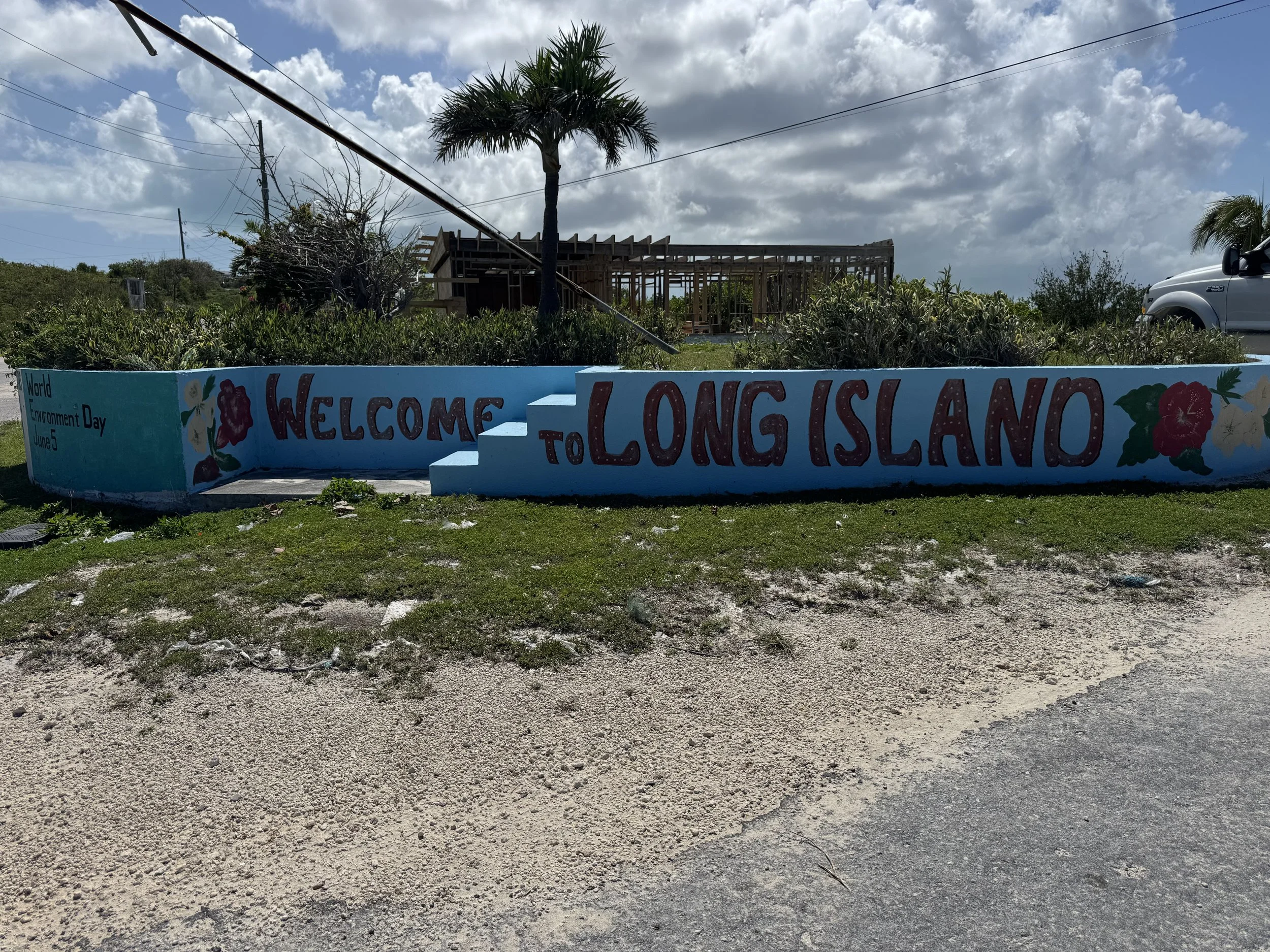
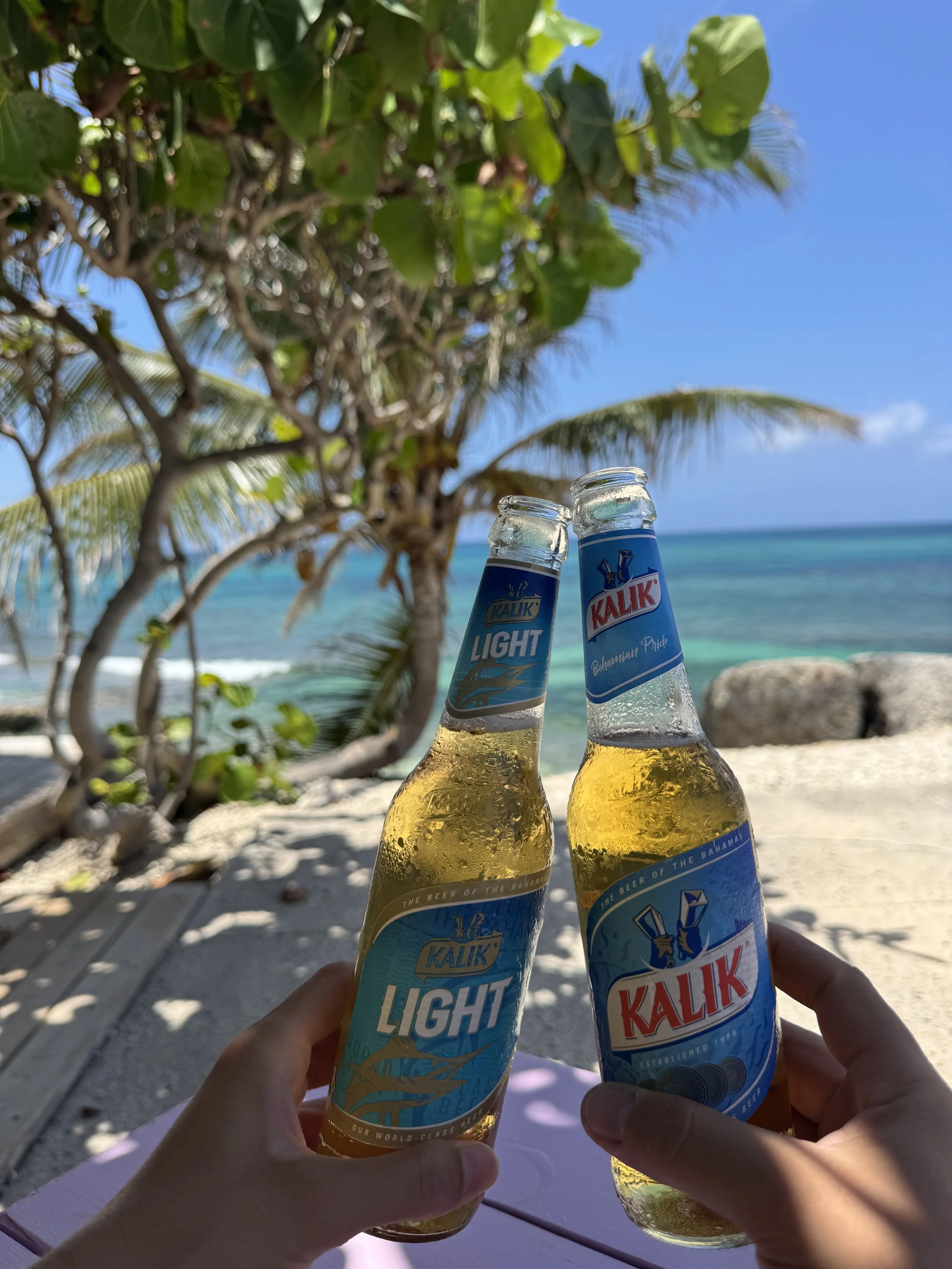
Now it’s time for breakfast, after which we’ll inflate the dinghy and paddle ashore (unfortunately, our motor’s broken at the moment) to complete the clearance process. Of course, we’ll have to toast that with a local beer! Cheers!